
Going into Pluribus, I carried the kind of guarded enthusiasm that only comes from following a creator long enough to know that the highs are very high, but never guaranteed. I am a big fan of Vince Gilligan, and between Breaking Bad and Better Call Saul, expectations are a dangerous thing to manage. Thankfully, Pluribus does not just meet them; it instead quietly walks past them, smiles politely, and then unsettles you for eight straight episodes.
The show’s core idea is instantly compelling. Our world’s population has been shaped into a hive mind overnight, where everyone is pleasant, agreeable, and content. Into that curated calm steps Carol Sturka (Rhea Seehorn), one of the few remaining independent minds, and she is not just unhappy. She is aggressively, gloriously negative. This contrast is where the show sings. Conversations that should be mundane become darkly hilarious as Carol’s cynicism crashes into persistent positivity. It is funny in a style that feels, for the most part, earned rather than written for effect.
What stood out most was the show’s confident pacing. Pluribus is in no hurry to explain itself, and it never feels the need to underline its ideas for safety. Information is revealed slowly, often indirectly, through behaviour rather than exposition, which makes the world feel lived in rather than constructed. Scenes are given room to breathe, sometimes uncomfortably so, with long pauses and quiet stretches that welcome scrutiny rather than distraction. That restraint pays off. The mood is haunting without being showy, unsettling without leaning on cheap tricks or sudden shocks. It is television that expects your attention, trusting the audience to sit with discomfort rather than constantly tweaking its rhythm for a second-screen audience.
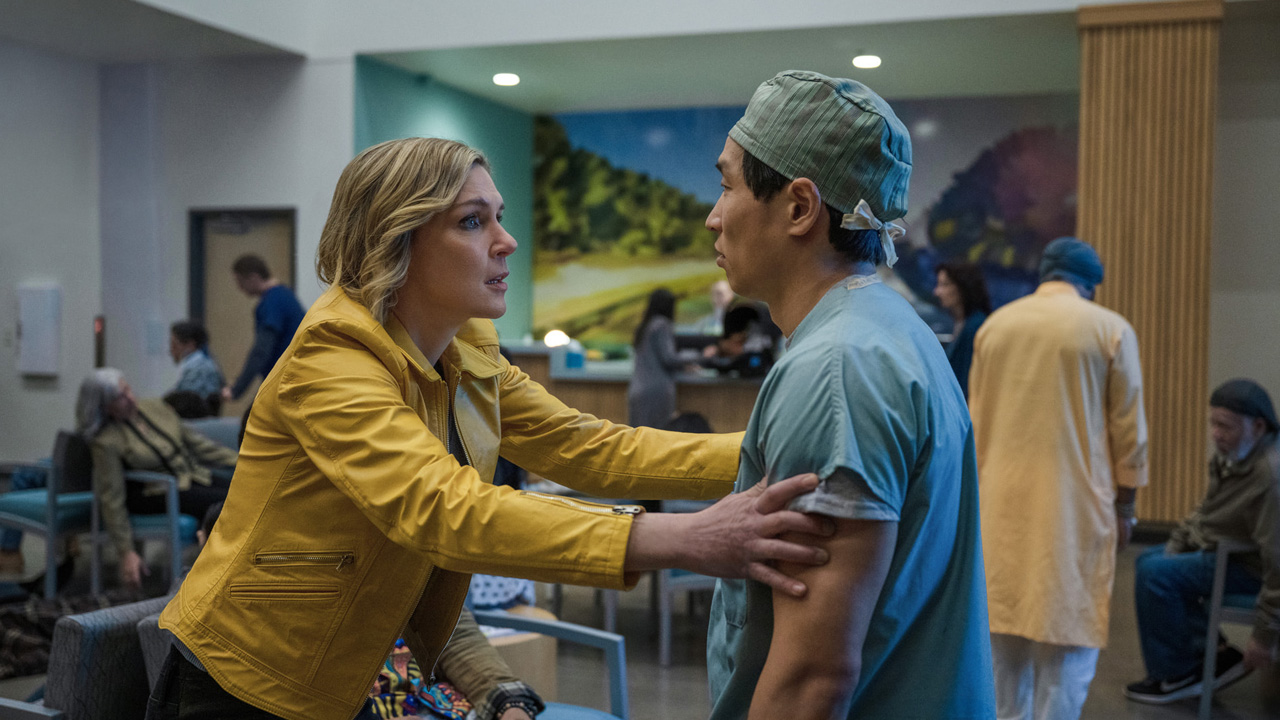
Visually, the series is striking. Seeing Albuquerque, along with other locations around the world, stripped of life and activity, is genuinely fascinating. Empty streets and quiet spaces carry real weight here, and more than once I was taken back to the first time I watched 28 Days Later, not because of imitation, but because of that same haunting sense that civilisation has stepped out of frame, leaving something greatly wrong behind.
There is also Gilligan’s familiar strength at play in the character work. After watching the slow, careful evolution of Rhea Seehorn’s character in Better Call Saul, it is reassuring to see Pluribus once again put absolute faith in long-term development. Carol’s resistance is not rooted in heroics or expertise, but in unease. The hive mind’s forced pleasantness unsettles her because, of course it would. Nothing about it feels natural, and the more agreeable everyone becomes, the more threatening it appears. Lacking any scientific background, Carol’s attempts to understand and possibly reverse what has happened feel desperate, messy, and human. At the same time, there is a persistent fear that the group will eventually come for her, not with violence, but with assimilation. That anxiety ties back into her past, giving her hostility a defensive edge rather than a performative one. She is not softened or explained away for comfort. The show commits to who she is and lets the consequences unfold on its own terms.
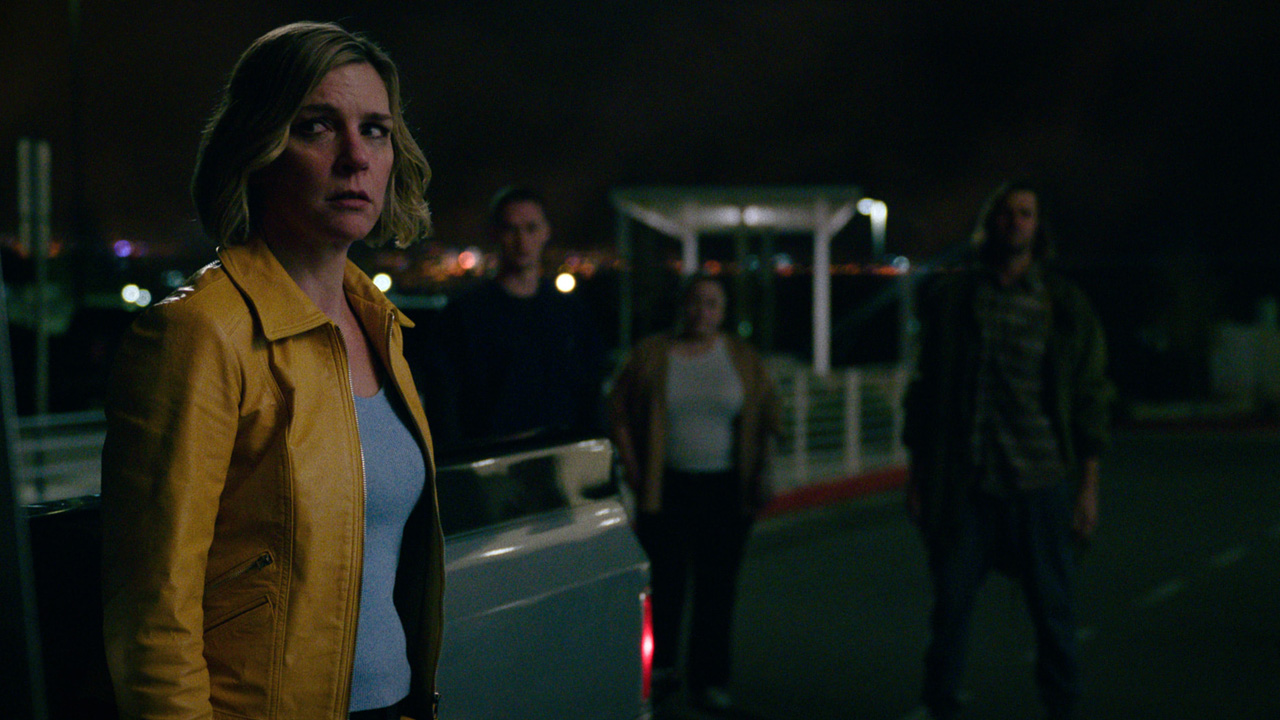
By the time the season reaches its conclusion, Pluribus feels fully formed. The final episodes do not reframe the story or scramble to reformulate its themes. Instead, they tighten what is already there, trusting the base formed earlier in the season. It knows what it wants to say, how it wants to say it, and just as importantly, when to stay quiet. There is no wobble in tone, no late-season panic, and no sudden urge to explain itself more clearly in fear of missing the point. The ending feels deliberate and considered, leaving space for reflection rather than closure for its own sake.
Pluribus is confident, unsettling television that rewards attention and patience. It asks you to connect with its ideas, its silences, and its discomfort, rather than passively consume them. The payoff is not found in spectacle or revelation, but in how consistently the series holds its nerve. While not entirely flawless, it acts as one of the strongest first seasons in recent memory, and an exceptional piece of television that very nearly earns a full score.
